Sharing Chloe’s Story - Pride Month
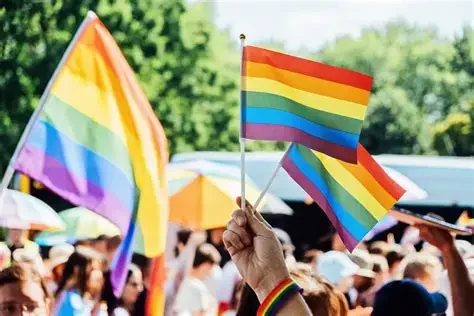
This past June was Pride Month and at a time when so many wish to question the very existence of the LGBTQ+ community, it’s more important than ever to remember our common struggles as human beings. We all want our basic human needs met, such as food, shelter and hygiene. We all want to be treated with humanity, decency, and respect. And we all want the ability to have pride in ourselves and the communities we are a part of and represent.
Among those surveyed in a 2016 report, the percentage of LGBTQ+ people reporting food insecurity was 27%. That number may be even higher since it doesn’t count individuals experiencing homelessness (which is significantly higher in non-binary and transgender youth and adults). Transgender adults are four times more likely to experience food insecurity than cisgender adults, according to a King County study.
Another thing affecting the queer community is the federal cuts of SNAP benefits. 15% of LGBTQ+ adults (approx. 2.1 million people) relied on SNAP benefits in the past year, compared to 11% of non-LGBTQ+ adults. This difference is largely due to higher rates of poverty and disability among LGBTQ+ adults as compared to non-LGBTQ+ adults. Almost seven in ten LGBTQ+ adults who received SNAP benefits had household incomes under $35,000, two-thirds were living with a disability, and nearly half had a child under 18 living in the household. This all makes the work we do here at Rainier Valley Food Bank all the more important. We don’t just serve part of our community; we serve everyone.
We sat down with our Food Delivery Program Coordinator, Chloe (she/her), about what her experience is like as a queer staff member here at RVFB.
Advice for queer people wanting to work in the non-profit space?
Find a supportive environment. Seek out an organization that honors and understands your identity. It is important to work somewhere that respects who you are and values what you bring.
Stay grounded in your confidence. Building resilience is essential to working in the non-profit space. You may encounter people who try to invalidate you, so it helps to move from a place of strength and confidence in who you are.
Protect the value of your work. When you are secure in your identity and purpose, it becomes harder for others to undermine you or the work you do.
Any meaningful connections you’ve made through being queer, here at RVFB?
I have found it meaningful to work with queer youth- including interns, volunteers, high school students, and clients who use RVFB’s services. I’ve seen young people recognize themselves in me and respond with hope and a sense of possibility. Being visible in this role matters, especially as someone from a community that has historically had less access to positions like this. I feel like my presence helps show others that they can persevere and find opportunities in this field.
How has celebrating pride changed for you since working at RVFB?
Working directly with people who are going through difficult times has helped I’ve had a chance to better appreciate the resources and support I has access to, as well as the difference that active support for the queer community can make. I feel more determined to make a difference in queer guests lives, giving them access to various resources to support them as I’ve been supported. It has made celebrating Pride feel even more joyful. I feel fortunate to be surrounded by such a beautiful queer community in Seattle and to have support in this space at RVFB.
By standing in solidarity with the LGBTQ+ community in the fight against food insecurity, we can help achieve healthy, ethical, and sustainable food for all, not just during Pride Month, but every month, and every day.